

Hearing Loss Treatment
Restore Your Hearing
What is Hearing Loss?
Hearing loss describes a reduced or complete inability to process sound in one or both ears, with severity levels spanning from slight to profound. This condition often interferes with the ability to decipher speech, particularly when background noise is present. Whether it develops instantaneously or progresses slowly over time, the impairment can be a fleeting issue or a lifelong change, largely determined by the underlying medical cause.
Types Of Hearing Loss
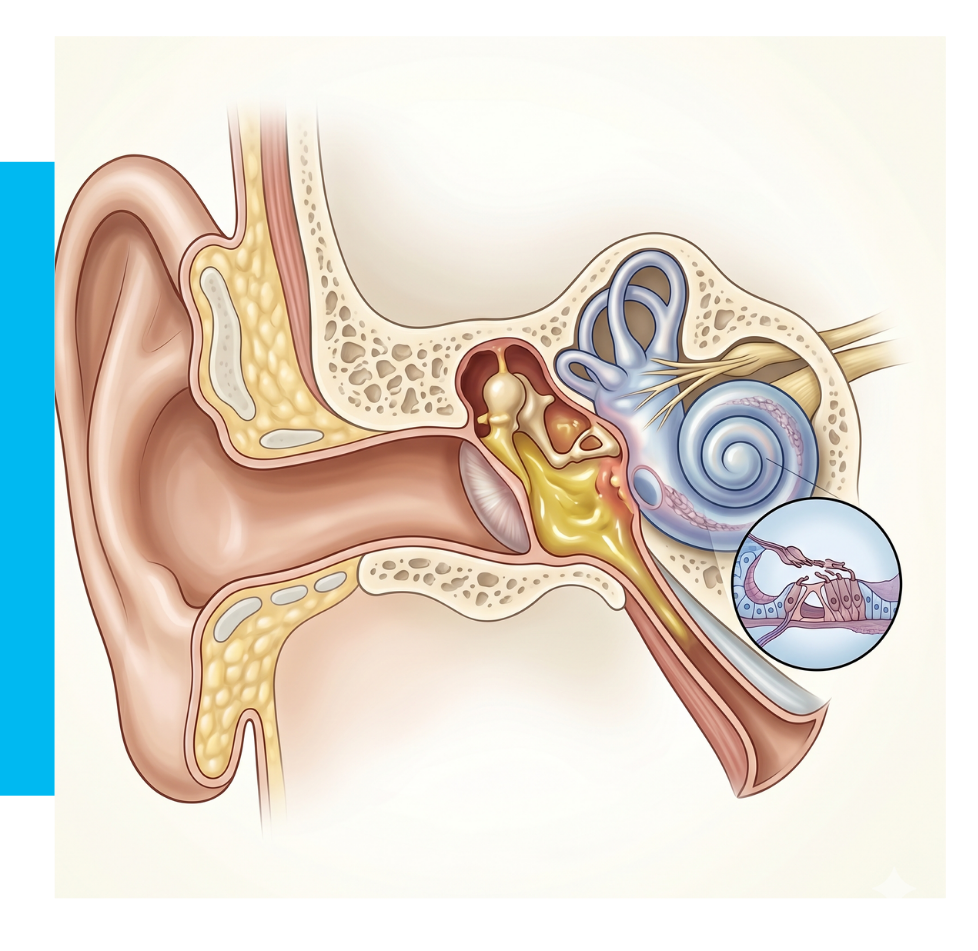
1. Conductive Hearing Loss (Mechanical Barriers)
This type occurs when sound waves are physically obstructed or unable to travel efficiently through the outer or middle ear to the inner ear. Think of it as a "plumbing" issue where the path is blocked.
Common Factors:
- Impaction: Excessive earwax (cerumen) buildup.
- Congestion: Fluid accumulation in the middle ear, often due to allergies or colds.
- Infection: Inflammation or fluid caused by otitis media.
- Structural Damage: A perforated or ruptured eardrum, or issues with the tiny bones (ossicles) in the middle ear.
2. Sensorineural Hearing Loss (Nerve & Sensory Damage)
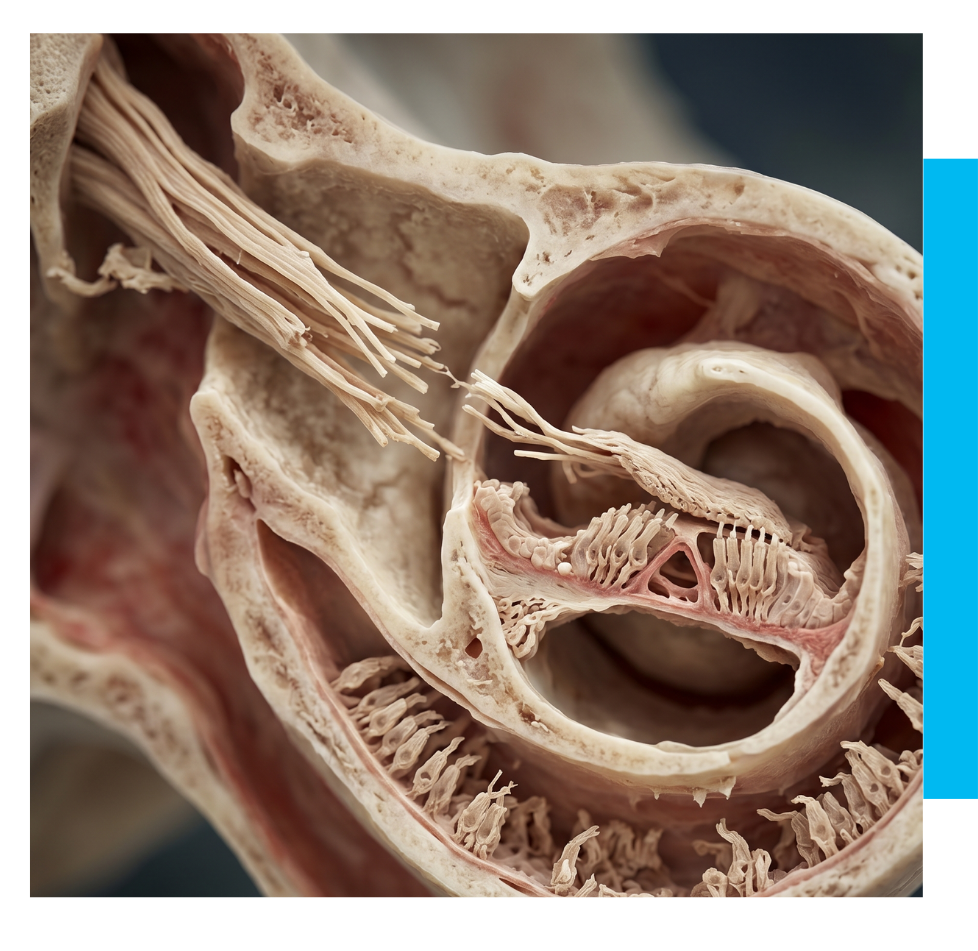
This is the most common form of permanent hearing loss. It stems from damage to the delicate hair cells in the inner ear (cochlea) or the auditory nerve itself, which prevents sound signals from reaching the brain.
Common Factors:
- Presbycusis: The natural wear and tear of the auditory system as we age.
- Acoustic Trauma: Prolonged or sudden exposure to dangerously loud noises.
- Ototoxicity: Damage caused by specific medications or chemicals.
- Genetics & Injury: Inherited traits or significant trauma to the head.
3. Mixed Hearing Loss (Combined Issues)
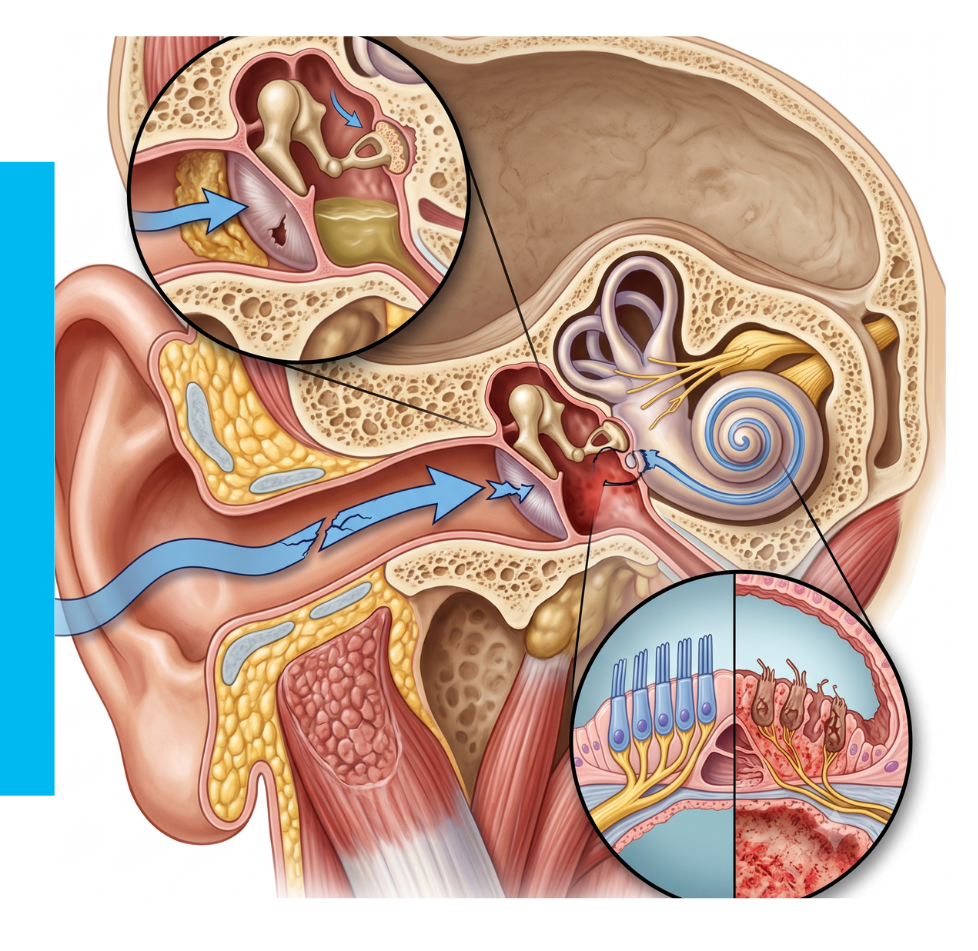
As the name suggests, this is a hybrid condition where an individual experiences both conductive and sensorineural issues simultaneously. For example, a person with age-related hearing loss (sensorineural) might also have a temporary earwax blockage or a middle ear infection (conductive).
Symptoms of Hearing Loss:
- Loss of Clarity: Auditory input feels distorted or "fuzzy," making it seem as though people are constantly mumbling.
- The "Cocktail Party" Struggle: Finding it increasingly difficult to isolate a single voice when there is significant background chatter or ambient noise.
- Frequent Clarification: Noticing a pattern of asking friends and family to restate their sentences or speak more slowly.
- Social Exhaustion: Gradually pulling away from group settings or noisy environments because the mental effort required to listen has become draining.
- Elevated Media Volume: Needing to set the TV or radio to a level that others find uncomfortably loud.

Main Causes of Hearing Loss:
- Aging
- Infection
- Impacted Ear Wax
- Trauma or Injury
- Exposure to Loud Noise
Diagnosis and Treatment:
To identify hearing issues, an audiologist typically conducts a comprehensive auditory evaluation known as an audiogram. The subsequent treatment plan is tailored specifically to the nature and degree of the impairment.
For many, this includes the use of hearing aids for amplification or cochlear implants for more complex sensory needs. When the loss is rooted in physical issues—such as structural abnormalities or persistent infections—medical solutions like corrective surgery or pharmacological treatments are often utilized to restore function.
Hearing Loss Affects Your Quality of Life
Hearing loss is often gradual, and sometimes it is so gradual that the person experiencing hearing loss doesn’t even realize it’s happening. However, as hearing gets worse, it can lead to isolation, loneliness, and loss of the ability to communicate with loved ones.
Good relationships are built on good communication, and when you’re struggling to hear what the other person is saying, it can put a strain on relationships. It has also been found that older adults who have untreated hearing loss are more susceptible to psychological issues, such as cognitive decline and depression. As one’s hearing loss progresses, withdrawal and depression can become serious problems.
The good news is that you can get help! Early diagnosis from an E.N.T. doctor or audiologist may help eliminate further hearing loss. Hearing loss treatment can also facilitate and improve your ability to hear. Don’t put off getting help for your hearing loss any longer — schedule an appointment today!